
How Caffeine Gum Works: Speed, Dose and Safety
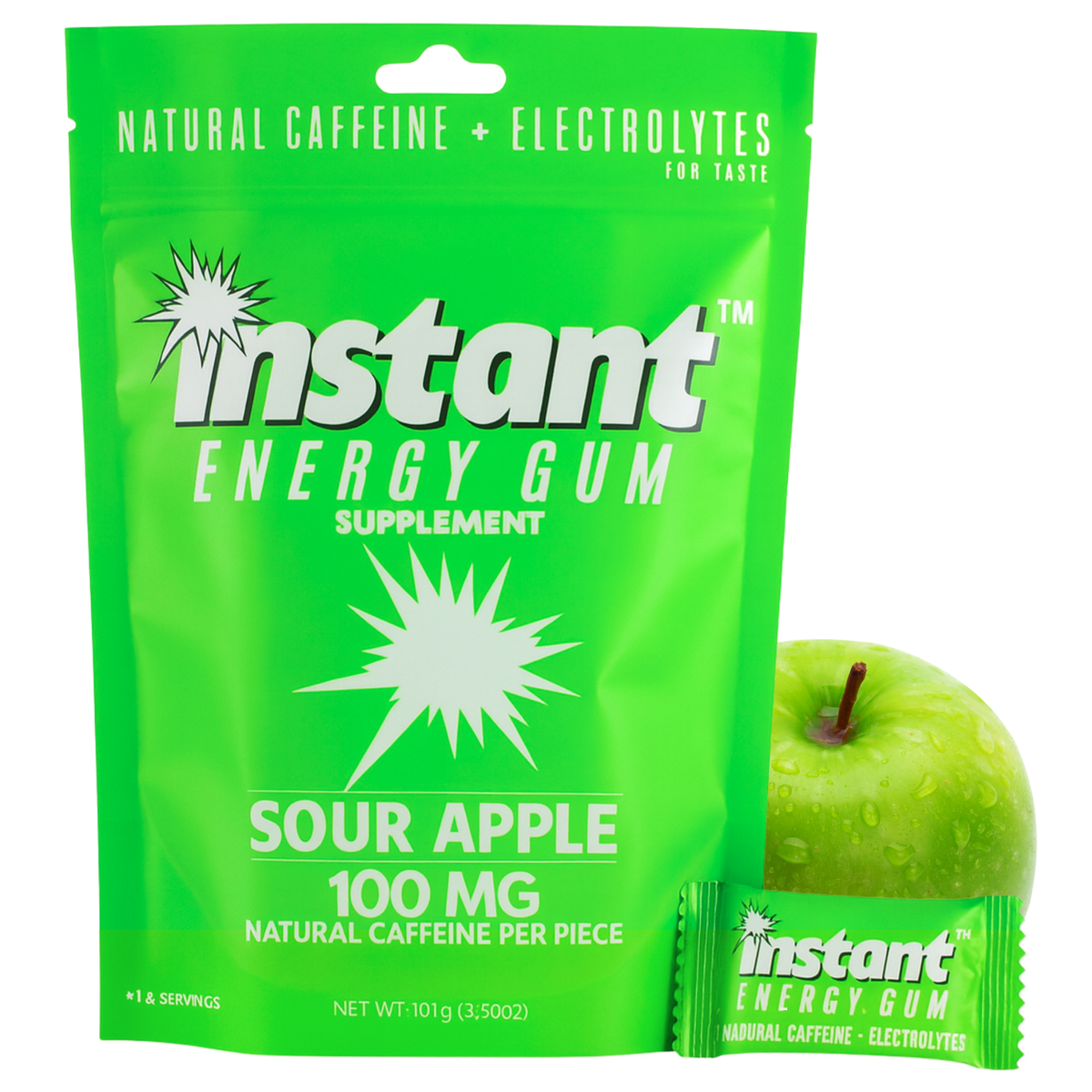
Caffeine gum is chewing gum with caffeine added, usually 40 to 100 mg a piece. You chew it for a few minutes instead of swallowing a pill or finishing a drink. This guide covers how it works, how fast it acts, how much caffeine you are getting and who should skip it.
The short version: chewing releases caffeine into your saliva. Part of it absorbs through the lining of your mouth and the rest is swallowed. In research, gum has raised blood caffeine sooner than a capsule, while the total absorbed stayed in the same range. Most healthy adults can have up to 400 mg of caffeine a day, according to the FDA.
How caffeine gum works
As you chew, caffeine is released from the gum into your saliva. The thin, blood-rich tissue inside your cheeks and under your tongue can take some of it straight into your bloodstream. That is called buccal absorption. Whatever is not absorbed there gets swallowed with your saliva and is absorbed in your gut, the same route caffeine takes from coffee or a pill.
The reason this matters is timing. Caffeine you swallow has to pass through your stomach and gut before it reaches your blood. Caffeine taken in through your mouth can get a head start.
What the research says about speed
The study people cite most is Kamimori et al., 2002, which compared caffeine gum with caffeine capsules. Gum reached its peak blood level sooner, roughly 44 to 80 minutes compared with 84 to 120 minutes for capsules. At the 200 mg dose, blood caffeine rose noticeably within 5 to 15 minutes of chewing, compared with 25 to 45 minutes for capsules, as summarized in a 2018 review in Sports Medicine. Total absorption was in the same range for both, so gum is a faster way to take caffeine, not a stronger one.
A few honest caveats:
- It was a small study, and it compared gum with capsules, not with coffee or energy drinks.
- The fast rise was reported at a 200 mg dose. A 100 mg piece may behave differently.
- Feeling caffeine is personal. Body size, tolerance, what you ate and how well you slept all change it.
Many people who chew caffeine gum say they notice it within about 5 to 15 minutes. We cover that on our how fast does it work page.
How much caffeine is in caffeine gum?
It depends on the brand. Most pieces land between 40 and 100 mg. Here is how a 100 mg piece compares with common drinks, using serving figures from the Mayo Clinic:
| Source | Caffeine |
|---|---|
| Instant Energy Gum, 1 piece | 100 mg |
| Brewed coffee, 8 oz | 96 mg |
| Energy drink, 8 oz | 79 mg |
| Black tea, 8 oz | 48 mg |
| Cola, 8 oz | 33 mg |
Drinks vary a lot by brand and how they are made, so treat those as ballparks. Many energy drink cans are 16 ounces, which roughly doubles the figure.
How much is too much?
The FDA says up to 400 mg a day is not generally associated with dangerous, negative effects for most healthy adults. It also notes that people react differently based on body weight, medications, health conditions and caffeine sensitivity.
With 100 mg pieces, 400 mg is four pieces and nothing else, so count everything: coffee, tea, soda, energy drinks, pre-workout and gum. Start with one piece and see how you feel before you chew another. Jitters, a racing heart, an upset stomach, anxiety and trouble sleeping are signs to cut back.
Is caffeine gum safe?
For most healthy adults, caffeine within the FDA guideline is not generally linked to dangerous effects. Some people should skip it or ask a doctor first:
- Under 18. Caffeine gum is not for children or teens.
- Pregnant or nursing. Ask your healthcare provider how much caffeine is right for you.
- Caffeine sensitive, or on medication. Talk to your doctor before you start.
- Sugar alcohols. Many sugar-free gums use xylitol or maltitol, which can upset your stomach if you have a lot.
- Pets. Xylitol is dangerous for dogs. Keep gum away from them.
This guide is general information, not medical advice.
Caffeine gum vs coffee, energy drinks and pills
Coffee, energy drinks and pills are all swallowed, so their caffeine is absorbed in your gut. Gum is chewed, so part of it can be absorbed through your mouth. Gum also lets you take caffeine a piece at a time, with nothing to brew and nothing to open. The trade-offs: you still have to keep count, and you need somewhere you can chew. The full breakdown is in energy gum vs energy drinks vs coffee.
How to use caffeine gum
- Check the label for caffeine per piece and the serving size.
- Start with one piece.
- Chew steadily for a few minutes, then throw the gum away. Do not swallow it.
- Give it some time before another piece, and keep your day's total under your limit.
- Skip it late in the day. Caffeine can linger for hours and cut into sleep.
What to look for in a caffeine gum
- Caffeine per piece. Anywhere from 40 to 100 mg. Pick the dose that suits your tolerance.
- A full label. You should be able to see every ingredient and the caffeine amount.
- Sweeteners. Sugar-free gums use sugar alcohols or other sweeteners. Check which.
- Extras. Some add electrolytes, L-theanine or B vitamins.
- Flavor and pack size. The best gum is the one you will actually chew.
We compare five popular options in best caffeine gum.
Where Instant Energy Gum fits
We make Instant Energy Gum, so weigh this section accordingly. Each piece has 100 mg of natural caffeine from green coffee bean extract, plus electrolytes (25 mg of magnesium and Himalayan pink salt). It is sugar free, sweetened with xylitol, maltitol and sucralose, with no aspartame, no food dyes and no artificial flavors. It comes in sour apple, 15 pieces to a bag. The full label is on our what's inside page, and you can browse our sugar-free energy gum.
Caffeine gum FAQ
Does caffeine gum work faster than coffee?
The research we have compares gum with capsules, not coffee. Gum reached the blood sooner than capsules, and many people say it feels quicker than a drink, but nobody can promise you an exact number of minutes.
Can you swallow caffeine gum?
Gum is meant to be chewed and then thrown away. Swallowing it is not the idea, and you would skip the mouth-absorption route.
How many pieces of caffeine gum can I have a day?
It depends on the caffeine per piece and everything else you consume. The FDA's 400 mg guideline for healthy adults works out to four pieces of a 100 mg gum with no other caffeine, so if you also drink coffee you will want to stay well under that. Ask your doctor if you are unsure.
Is caffeine gum bad for you?
In moderation, for healthy adults, caffeine within the FDA guideline is not generally linked to dangerous effects. The risks come from too much, from sensitivity, and from stacking sources without counting them.
Last updated September 2026. Instant Energy Gum makes caffeine gum, and this guide links its sources so you can check them.